



Environment
Apple 2030A plan as innovative
as our products.
We are committed to protecting the planet.
And designing products you love. Apple 2030 is our plan to do both.
And designing products you love. Apple 2030 is our plan to do both.
By focusing on recycled and renewable materials, clean electricity and low-carbon shipping, we’re working to bring our net emissions to zero across our entire carbon footprint.
We’re sharing our progress — and the work that remains — so you can join us on this journey.
A detailed approach.
-
Design our products with recycled and renewable materials.1
Our Approach
Recycled and renewable materials often carry a lighter footprint than mined materials. By sourcing more recycled and renewable content, we can help to one day end our reliance on mining
Our Progress
22 per cent of the materials we shipped in Apple products came from recycled and renewable sources.2
-
Source all manufacturing electricity from clean energy.
Our Approach
Most of our carbon footprint comes from the electricity used to manufacture our products. So our suppliers are transitioning to electricity generated from solar, wind and other renewable sources.
Our Progress
Over 320 of our suppliers have already committed to using 100 per cent renewable electricity by 2030.*
-
Package and ship our products with less emissions.
-
Match 100 per cent of our products’ energy use with clean electricity.5
Our Approach
We’re investing in global renewable energy projects that help address the electricity our products use. And we’re making these devices even more energy-efficient.
Our Progress
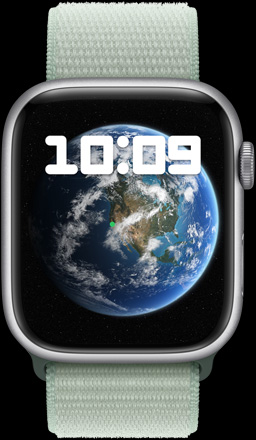
We’re matching 100 per cent of the expected electricity use for Apple Watch models by investing in projects like the IP Radian Solar project.6
-
Maximise the materials we recover from recycled products.



Our progress by the numbers.
We introduced our most significant product emissions reductions to date with the 2023 Apple Watch lineup.9
Over 55% reduction in CO₂e emissions across our carbon footprint since 2015.
18.5M tonnes of CO₂e emissions avoided through our Supplier Clean Energy Program in 2023.
22% of materials shipped in our products came from recycled and renewable sources in 2023.
12.8M devices and accessories sent to new owners for reuse in 2023.
20% reduction in product transportation emissions compared to 2022.
The proof is in our products.
The same innovative thinking that goes into creating the products you love goes into our environmental initiatives. And as we design our products, we’re also using smarter chemistry to make sure they’re safer for everyone who assembles, uses and recycles them.
-
MacBook Air 15‑inch (M3 chip)
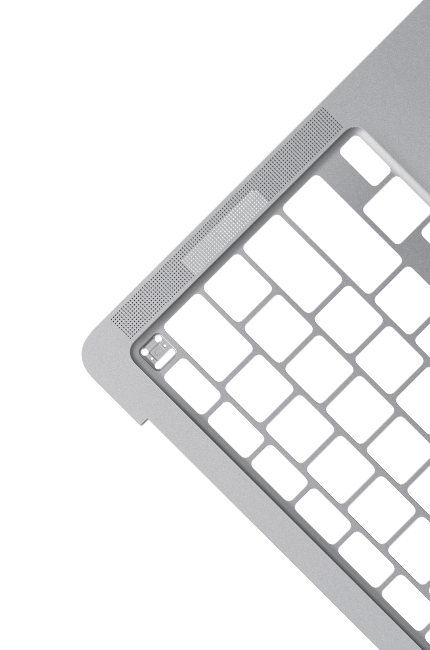
MacBook Air is now halfway there.




-
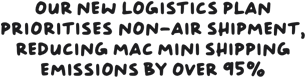
Shipping
Moving towards low‑carbon shipping.
-
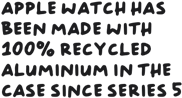
Apple Watch Series 9
A major step towards 2030.
-
Package and Ship
Good things
come in small, 100% fibre‑based packages.
-
iPhone 15
More recycled materials. From the outside in.


-
Recovery
Daisy gets the most out of your old iPhone.




-
FineWoven
A luxurious textile that’s lighter on the planet.






Partnerships that do a world of good.
Doing right by the planet means doing right by the people who live on it — especially those most impacted by environmental risks. So we’re supporting partners and communities worldwide. Because we can achieve more together than we can alone.
Carbon removal.
It’s in our nature.
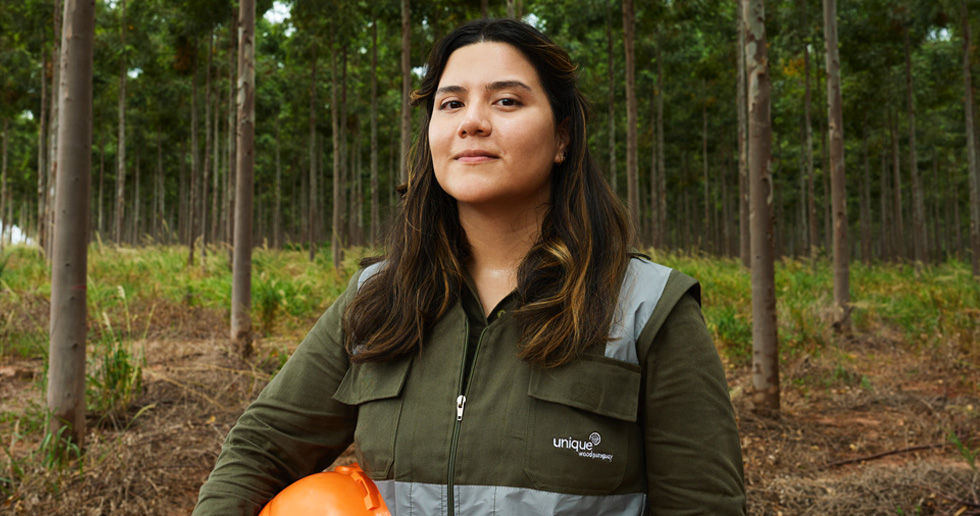
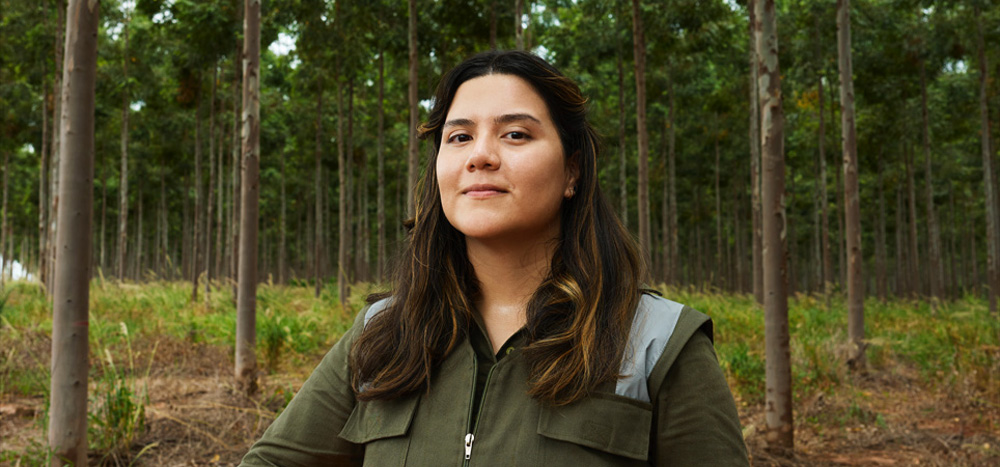
As we continue to reduce our footprint, we’re also investing in high-quality, nature-based carbon removal projects to balance the emissions we can’t yet avoid.
Partnering with Goldman Sachs and Conservation International, we created a first-of-its-kind initiative called the Restore Fund. It aims to remove carbon emissions from the atmosphere by investing in projects that restore forests, wetlands and grasslands — while offering a financial return. We expect to exceed our goal of removing 1 million tonnes of carbon dioxide from the air by 2025 from this first fund.
The Restore Fund has invested in three high-quality forestry managers. Our first project is in Paraguay through an investment in Arbaro Advisors. We’re supporting their efforts to develop sustainably certified working forests while creating opportunities for local communities. We’re also partnering with Symbiosis to help them grow native hardwood trees and restore biodiversity in Brazil’s Atlantic Forest. And with BTG Pactual Timberland Investment Group, we’re supporting their efforts to restore working forests and protect natural ecosystems in Brazil.
In 2023, we announced an expansion of the Restore Fund with up to an additional US$200 million committed to Climate Asset Management — a joint venture between HSBC and Pollination. And in 2024, we added another US$80 million commitment from key manufacturing partners Taiwan Semiconductor Manufacturing Company and Murata Manufacturing.
UP NEXT
Climate solutions that champion social change.
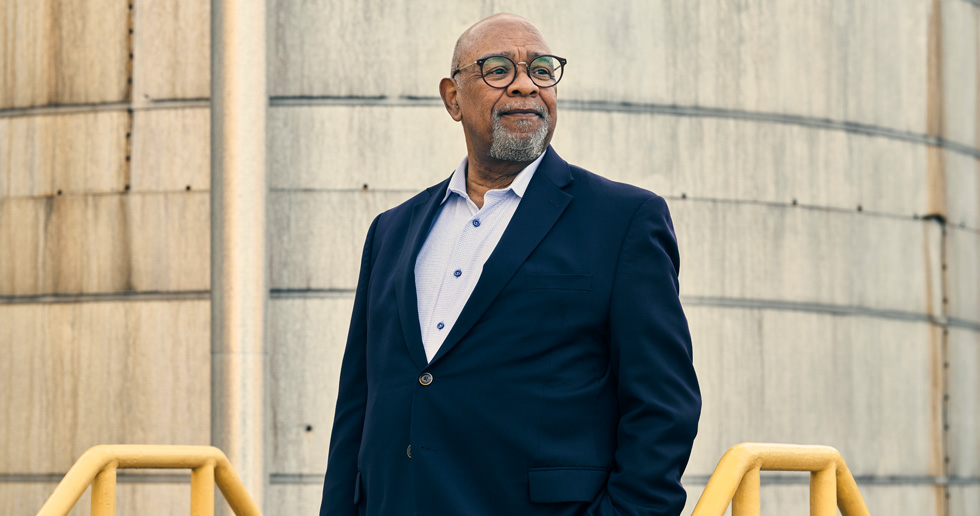
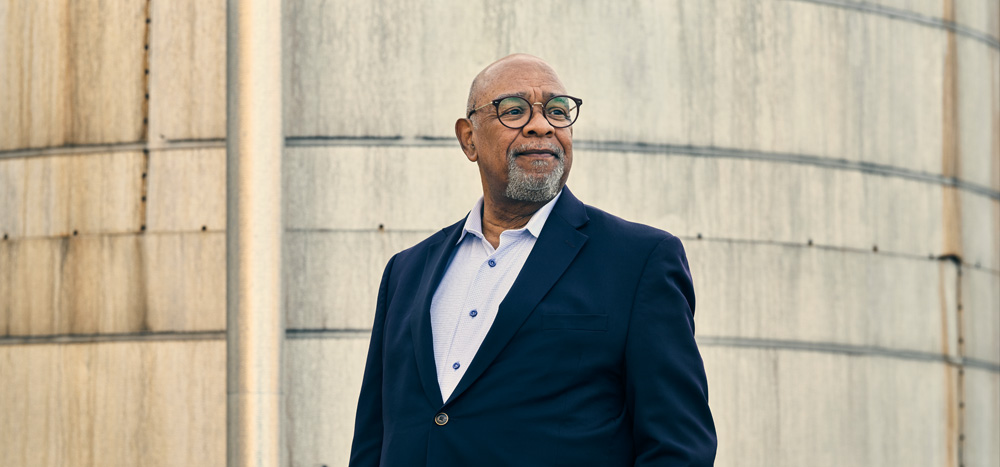
Communities of colour are most impacted by environmental risks. And they’ve historically been denied the opportunity to help find solutions.
As part of Apple’s Racial Equity and Justice Initiative (REJI), our Impact Accelerator program supports and champions Black-, Hispanic/Latinx- and Indigenous-owned businesses at the cutting edge of green technology and clean energy.
In 2023, our third cohort featured 12 entrepreneurs committed to energy efficiency, water stewardship and recycling innovation. And many of them focused on bringing clean energy and opportunities to underserved communities. By championing their growth, we can help dismantle systemic barriers and create change that promotes social and economic equity.
UP NEXT


Conserving water like the earth depends on it.
Water is among the planet’s most precious resources. So to protect it, we’re going beyond our corporate footprint, across our supply chain, and into the communities and watersheds where we operate.
Our supply chain accounts for 99 per cent of our total water footprint. Through our Clean Water Program, we help train our suppliers to better reuse and recycle water. Thanks to this partnership, our participating suppliers are now reusing and recycling water in their factories at an average rate of 42 per cent, which reduces the amount of fresh water we withdraw by billions of litres every year.
In addition, five of our data centres — in Prineville, Oregon (USA); Reno, Nevada (USA); Mesa, Arizona (USA); Maiden, North Carolina (USA); and Viborg (Denmark) — as well as 20 of our supplier facilities, have achieved certification to the Alliance for Water Stewardship Standard for leading water management practices in their regions.
UP NEXT
More renewable electricity. More readily available.
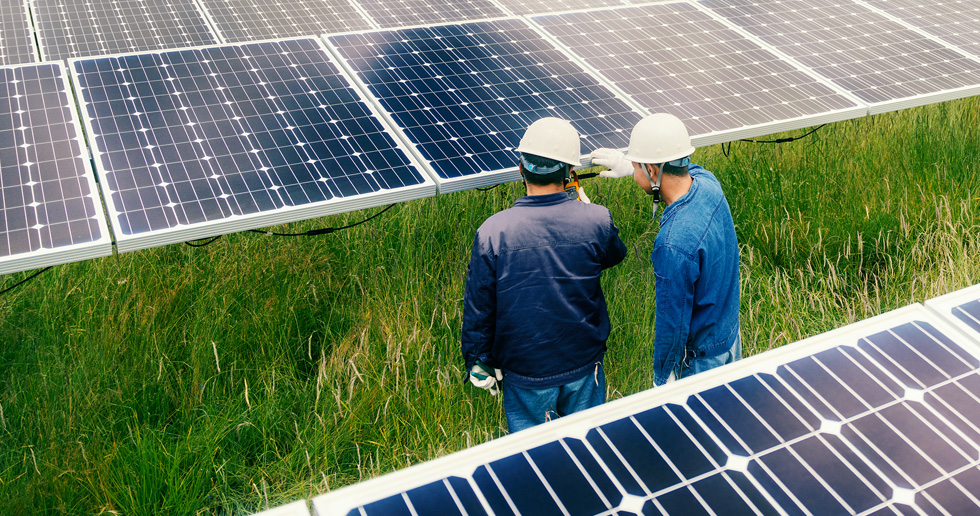
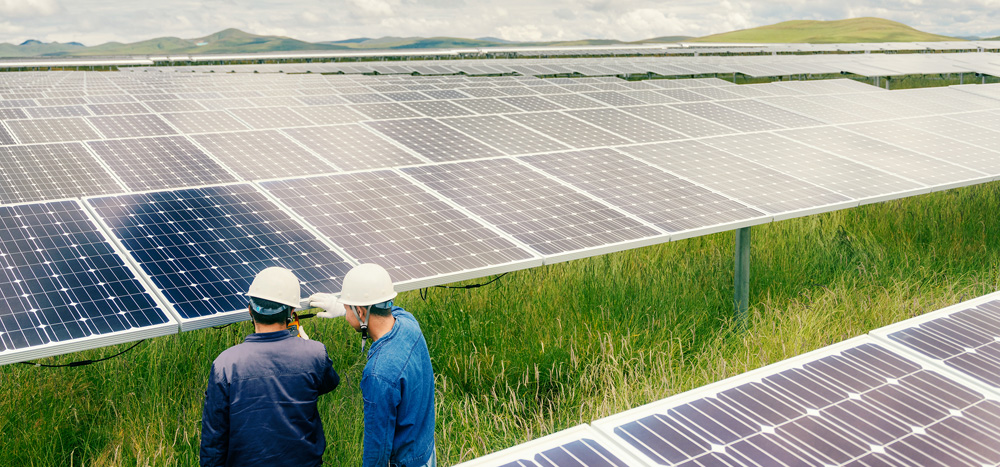
We’re actively working to democratise access to renewable electricity around the globe. Because clean energy benefits all of us, our communities and the environment.
Our Power for Impact initiative gives local communities and organisations access to cost-effective energy while supporting their economic growth and championing social impact. Solar projects in 20 countries — including South Africa, the Democratic Republic of Congo and the Philippines — help provide clean energy to the communities that need it most.
In 2018, we launched the China Clean Energy Fund to accelerate renewable progress in China. Together with our suppliers, we’ve invested in 1,000 megawatts of clean energy.
Additionally, through the RE100 initiative, we partner with the world’s most influential businesses that have committed to using 100 per cent renewable electricity. And by forming groups like the Asia Clean Energy Coalition, we’re using our voice to support laws and policies that promote more renewable energy across Asia.
UP NEXT
Help make
Mother Nature proud.
There are many small actions you can take to make a big difference for the planet.
Trade in your
eligible device
for credit towards a new one.16
Or recycle it for free.
It’s good for you and the planet.


Designed with the earth in mind.
Learn more about the progress of your Apple devices with our product environmental reports.
An even closer look at our progress.
Learn more about our latest efforts to fight climate change and support equity.
View the 2024 Environmental Progress Report (PDF)Additional Reports and Resources
Circular Economy
Our aim is to make products using only recycled or renewable materials — so we prioritise, responsibly source and recover materials.
- Learn how we prioritise materials with our Material Impact Profiles (PDF)
- Read our white paper on Apple’s Paper and Packaging Strategy (PDF)
- Read our Responsible Fiber Specification (PDF)
- Read our white paper on expanding access to service and repairs (PDF)
- Learn how to trade in or recycle your device
- Learn more about disassembly for professional recyclers
Smarter Chemistry
Apple has a rigorous program to ensure the safety of chemicals used in our products. Learn about Apple’s strict standards, diligent toxicological assessments and methodology for assessing chemicals of concern.
- Read the Regulated Substances Specification (PDF)
- Read our white paper on Integrating Toxicological Assessments in Material Selection for Apple Products (PDF)
- Read our Protocol for Prioritizing Chemicals of Concern in the Electronics Industry (PDF)
- Read about Apple’s commitment to phasing out per- and polyfluoroalkyl substances (PFAS) (PDF)
Climate Change
Climate change is a defining issue of our time. View detailed updates on our progress.
People and Environment in Our Supply Chain
We hold ourselves and our suppliers to the highest standards of labour and human rights, health and safety in the workplace, environmental practices and the responsible sourcing of materials.
Frequently Asked Questions
Find answers to common questions about Apple and the environment.
More from Apple on the environment.
Our values lead the way.
-
Accessibility
Our built-in accessibility features are designed to work the way you do.
-
Privacy
We design every product and service to keep your data safe and secure.
-
Racial Equity
and Justice InitiativeWe’re addressing systemic racism by expanding opportunities for communities of colour globally.
-
Supply Chain Innovation
We prioritise providing safe, respectful, supportive workplaces for everyone.
-
Inclusion and Diversity
We’re holding ourselves accountable for creating a culture where everyone belongs.
-
Education
We empower students and educators to learn, create and define their own success.